After a brief respite in 2025, motor insurance premiums are heading back up. EY’s latest analysis forecasts that UK motor insurance premiums will rise by 4% in 2026, adding approximately £15 to the average policy. This marks a dramatic reversal from the previous year, when premiums fell 12% as insurers competed intensely for customers.
The shift signals a fundamental change in the market. After a year of aggressive discounting, insurers are now focused on profitability rather than volume. If you’re approaching your motor insurance renewal, understanding what’s driving these increases and how to respond could save you significant money.
Why Premiums Are Rising
The market turnaround stems from several interconnected pressures that insurers can no longer absorb through competitive pricing.
Rising Repair Costs: Modern vehicles are more expensive to repair than ever. The ABI reported that vehicle repair costs totalled £1.9 billion in Q1 2026, up 3% on the previous quarter. More critically, the average accidental damage claim has risen to £3,699, up 8% quarter-on-quarter.
The culprit is technology. Integrated sensors, cameras, and sophisticated electronics are now standard features on modern cars. A minor accident that previously cost £500 to repair now costs £1,500 because every sensor needs recalibration, every camera requires replacement, and every electronic component must be professionally diagnosed.
Geopolitical Uncertainty: Ongoing tensions in the Middle East have created supply chain disruption and fuel price volatility. These factors increase repair costs, parts availability, and logistics expenses, with the potential to further weaken insurer profitability by an additional 5-10%.
Insurer Losses: The industry can’t sustain current pricing levels. EY forecasts the UK motor market will post a Net Combined Ratio of 108% in 2026, meaning the sector will pay out £1.08 in claims and expenses for every £1 collected in premiums. Paying out more than you earn is unsustainable. Premiums must rise or losses deepen.
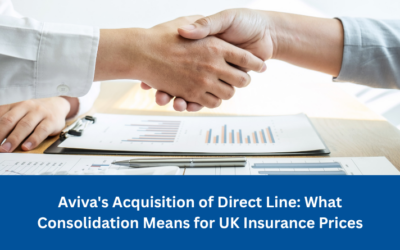
Market Consolidation: Aviva’s acquisition of Direct Line represents the most significant UK insurance consolidation, reflecting the need for scale and efficiency in a low-growth, high-cost environment. Fewer competitors means less downward price pressure.
What to Expect at Renewal
The 4% average increase masks significant variation. Some drivers will see increases of 10-15%, while others might see smaller rises or even decreases.
Postcode Matters: Insurers are increasingly using granular risk assessment. Your specific postcode, street, even parking arrangements now heavily influence your premium. Living in a high-theft or high-claims area will see steeper increases.
Claims History Is Critical: Drivers with accident-free records will see more modest increases. Those with claims in the past three years will face substantially higher premiums, reflecting actual risk.
Vehicle Technology Impact: Newer cars with integrated technology cost more to repair and insure. Your premium reflects the specific repair costs for your vehicle model.
Excess Levels: Insurers are also reviewing excess levels. You might face higher excesses on your renewal, which effectively increases your out-of-pocket cost if you claim.
Strategies to Minimise Your Increase
While you can’t control some factors, several practical steps can reduce the impact of rising premiums.
Shop Around Early: Don’t automatically accept your renewal quote. Competition remains intense at the margins, and new business quotes are often cheaper than renewal quotes from your current insurer. Comparing multiple insurers could save £50-100 or more.
Review Your Coverage: Consider whether you need all optional covers. Breakdown cover, legal expenses, personal belongings cover all add to your premium. If you have other coverage for these, you might reduce your premium by dropping duplicate protection.
Increase Your Excess: A higher excess (what you pay towards a claim) reduces your premium. If you have savings to cover a larger excess, this trade-off might make sense.
Improve Your Risk Profile: Some insurers offer discounts for:
- Installing approved tracking devices
- Taking advanced driver training
- Limited mileage (if genuinely applicable)
- Secure parking (driveway vs. street)
- No claims over extended periods
Consider Usage-Based Insurance: Telematics or “black box” policies monitor your driving and can reward safe drivers with lower premiums. If you drive carefully, this could partially offset premium increases.
Review Mid-Year: Don’t accept increases at renewal without challenge. Some insurers will negotiate or offer loyalty discounts if you ask.
Looking Ahead
EY expects motor insurance premiums to rise by a further 12% in 2027 as insurers continue responding to persistent claims cost pressure. The market faces a multi-year adjustment period as repair costs driven by vehicle technology remain elevated.
However, the industry’s focus on claims handling is also intensifying. The FCA has made claims handling a 2026 regulatory priority, with a willingness to intervene through enforcement action where standards fall short. This should improve consumer outcomes when claims do occur.
Professional Guidance Helps
Motor insurance premium decisions often benefit from professional advice. Understanding your actual coverage needs, optimising your excess levels, and identifying which discounts genuinely apply to your circumstances requires careful analysis.
At The Bateman Group, we regularly help clients navigate motor insurance renewals to find the right balance between cost and comprehensive protection. Whether you’re facing a significant premium increase, uncertain about your coverage, or simply want to ensure you’re getting fair value, our independent approach ensures you make informed decisions.
Your next renewal doesn’t have to be a financial surprise. With proper planning and professional guidance, you can manage the impact of rising premiums effectively.